REVEALED! Why Nintendo AVOIDED Original Movies for YEARS - Miyamoto's SHOCKING Reason Will Surprise You!
Nintendo, the legendary gaming company behind some of the most iconic characters and franchises in the history of entertainment, avoided making original movies for a remarkably long time, and the reason why has finally been revealed by none other than Shigeru Miyamoto himself, the creative genius who brought the world Mario, Zelda, and countless other beloved gaming properties. According to Miyamoto, the primary concern that kept Nintendo away from the movie business for so many years was the fear that establishing canon character backstories could become a constraint in game development, a revelation that provides fascinating insight into the creative philosophy that has guided Nintendo for decades and helps explain why the company has been so protective of its characters and their stories.
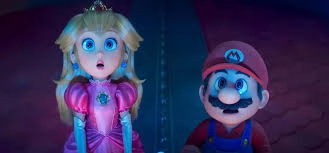
The Super Mario Galaxy Movie, the highly anticipated sequel to Nintendo's 2023 blockbuster The Super Mario Bros. Movie, made its international debut on April 1 of this year, and ahead of the film's Japanese release, Miyamoto sat down for an in-depth interview that shed new light on Nintendo's long-standing reluctance to venture into the world of cinema. The success of The Super Mario Bros. Movie, which grossed over $1.3 billion worldwide and became one of the highest-grossing animated films of all time, proved that Nintendo's characters could thrive on the big screen, but the journey to that success was paved with years of hesitation and careful deliberation about the potential risks of expanding these beloved characters beyond the medium of video games.
Miyamoto's concern about canon backstories constraining game development is a remarkably thoughtful and forward-looking consideration that reveals the depth of Nintendo's commitment to preserving the creative freedom that has made its games so innovative and enduring. When a character's backstory is established in a movie, it creates a set of narrative constraints that game developers must either adhere to or deliberately contradict, and both options carry significant risks. Adhering to a movie-established backstory could limit the types of stories and gameplay experiences that developers can create, while contradicting it could confuse and alienate fans who have come to accept the movie's version of events as canonical. This dilemma is one that many franchises have struggled with, and Nintendo's decision to avoid it entirely for so many years was a pragmatic choice that prioritized the creative integrity of its games.
The fact that Nintendo has now embraced the movie business with such enthusiasm and success is a testament to the company's ability to adapt and evolve while staying true to its core values. The Super Mario Galaxy Movie and its predecessor demonstrate that it is possible to create compelling cinematic stories featuring Nintendo characters without sacrificing the creative flexibility that makes the games so special. The key, it seems, has been finding the right balance between providing enough narrative depth to satisfy movie audiences while leaving enough ambiguity and flexibility to allow game developers to continue exploring these characters in new and unexpected ways.
For fans of Nintendo and its iconic characters, Miyamoto's revelation provides a deeper understanding of the careful thought and consideration that goes into every decision the company makes about how its properties are used and expanded. Nintendo's reluctance to make movies was never about a lack of ambition or a fear of failure; it was about a deep-seated commitment to protecting the creative essence of its characters and ensuring that the games that made them famous would always have the freedom to surprise, delight, and innovate. As Nintendo continues to explore the possibilities of film and other media, this commitment to creative freedom will remain the guiding principle that ensures the company's characters continue to captivate audiences for generations to come.