GAME-CHANGING! Miyamoto Wants to ADHERE to Peach's Backstory from The Super Mario Galaxy Movie in FUTURE Games!
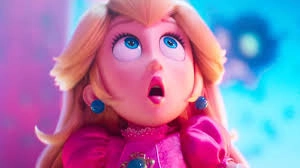
In a revelation that has sent shockwaves through the Nintendo community, Shigeru Miyamoto has expressed his desire to adhere to Princess Peach's backstory as established in The Super Mario Galaxy Movie in future game development, a statement that represents a potentially dramatic shift in Nintendo's approach to the relationship between its cinematic and gaming properties. Without going into spoilers, The Super Mario Galaxy Movie goes significantly deeper into Princess Peach as a character and her backstory than any previous Mario game or media property, and Miyamoto's willingness to incorporate these cinematic revelations into the canonical game universe suggests that the walls between Nintendo's movies and games may be coming down in ways that could have profound implications for the future of the Mario franchise.
The decision to align game canon with movie canon is a significant departure from Nintendo's historical approach, which, as Miyamoto himself recently explained, was characterized by a deliberate avoidance of establishing canonical backstories in movies specifically because of the concern that such narratives could constrain game development. The fact that Miyamoto is now expressing a willingness to let the movie's portrayal of Peach influence future games represents a remarkable evolution in Nintendo's thinking about the relationship between its various media properties, and it suggests that the success of the Mario movies has given the company the confidence to explore a more integrated approach to storytelling across different platforms.
Princess Peach has been a central figure in the Mario franchise since her debut in the original Super Mario Bros. in 1985, but for most of her history, she has been a relatively one-dimensional character whose primary role was to serve as the damsel in distress that Mario needed to rescue. The Super Mario Galaxy Movie changes this dynamic significantly, giving Peach a richer and more nuanced backstory that adds depth and complexity to her character in ways that have resonated strongly with audiences. Miyamoto's desire to carry this deeper characterization forward into future games could mark the beginning of a new era for Peach, one in which she is defined by more than just her relationship to Mario and her tendency to get kidnapped by Bowser.
The implications of this decision extend far beyond the character of Peach herself. If Nintendo is willing to let the movies establish canonical story elements that will be reflected in future games, it opens the door to a much more integrated and cohesive Mario universe that spans multiple media. This could mean that future Mario games will feature storylines and character developments that are directly connected to events in the movies, creating a unified narrative experience that rewards fans who engage with both the games and the films. It could also mean that the movies will have a greater influence on the direction of the franchise as a whole, potentially shaping the types of games that are developed and the stories they tell.
For the millions of fans who have grown up with the Mario franchise, Miyamoto's statement is both exciting and a little nerve-wracking. The prospect of a more deeply characterized Peach and a more integrated Mario universe is undeniably appealing, but there is also a natural apprehension about the potential for movie-established canon to limit the creative possibilities of the games. Nintendo has earned the trust of its fans through decades of consistently excellent game design, and the company will need to navigate this new territory carefully to ensure that the integration of movie and game canon enhances rather than constrains the creative spirit that has made the Mario franchise one of the most beloved and enduring in the history of gaming.